
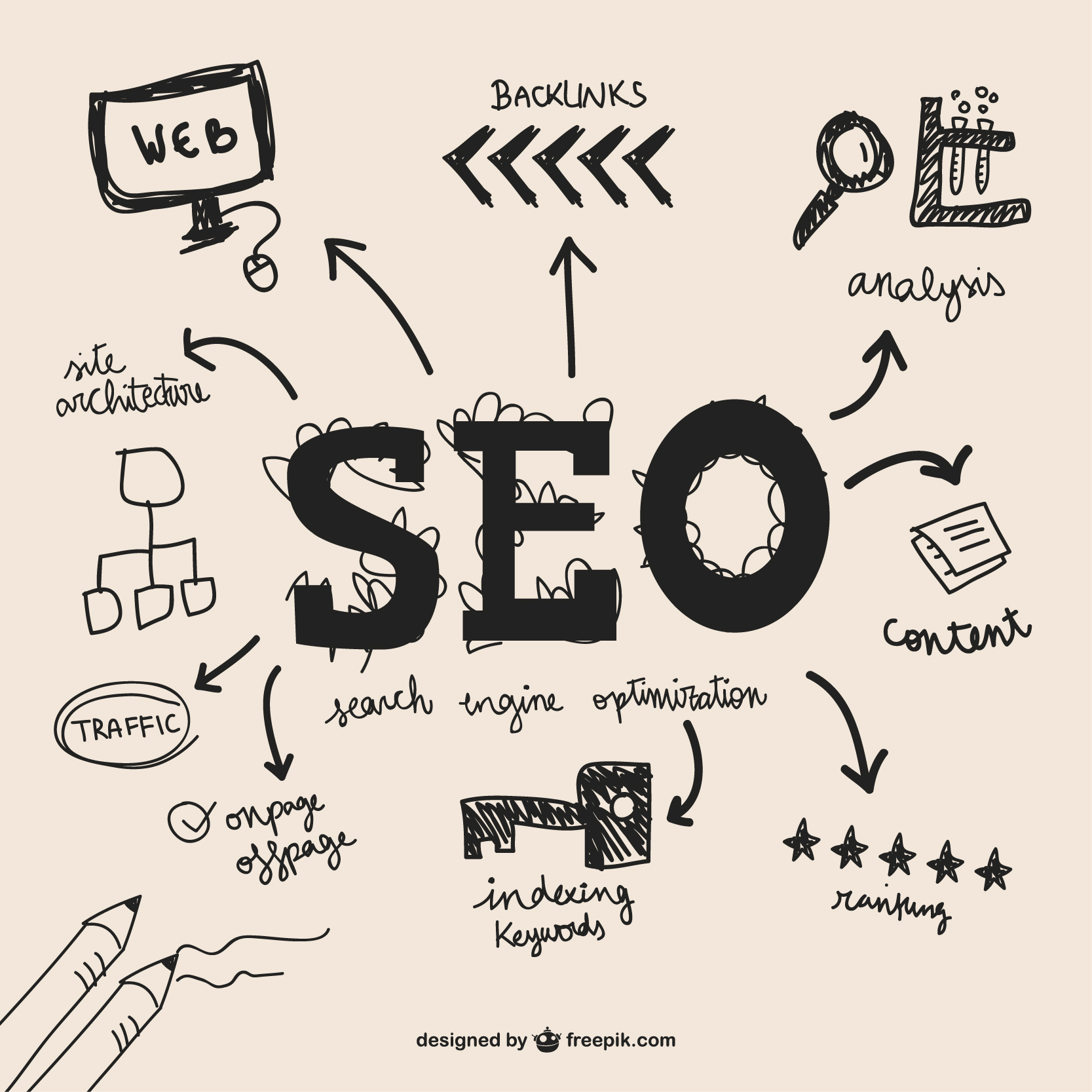
Search engine optimization has undergone a radical metamorphosis over the past decade. What once required manually creating and optimizing individual pages can now be scaled through automation and data-driven strategies. This transformation has given birth to programmatic SEO, a powerful approach that's changing how businesses think about organic search visibility.
If you've ever wondered how websites like Zillow rank for millions of real estate listings, or how TripAdvisor appears in search results for virtually every travel destination, you're observing programmatic SEO in action. These companies didn't manually create each page they built systems that automatically generate and optimize content at scale.
For businesses struggling to compete in crowded markets, programmatic SEO offers a way to dramatically expand search visibility without proportionally increasing content creation costs. This guide breaks down programmatic SEO into digestible steps and shows you how to determine if this strategy fits your business goals.
What is Programmatic SEO?
Programmatic SEO turns databases into search traffic by auto-generating hundreds or thousands of targeted pages from a single template. Instead of writing each page individually, you create one template and populate it with different data to generate hundreds, thousands, or even millions of unique pages.
Think of it like a mail merge for web pages. You design the structure once, then your system fills in variable information product details, location data, statistics to create pages that target different search queries.
The key difference is scale and automation. Traditional SEO might involve creating 50 blog posts over several months. Programmatic SEO could launch 5,000 location-specific service pages in a single day, each optimized for different geographic searches.
However, quantity alone doesn't guarantee success. Each generated page must provide genuine value and comply with search engine quality guidelines. Google penalizes low-quality, thin content created solely for rankings. Effective programmatic SEO balances automation with quality.
When Should You Use Programmatic SEO?
Programmatic SEO isn't appropriate for every business or website. It works best in specific situations where you have the right combination of data, user intent, and scalability needs.
The most suitable scenarios include businesses with large product catalogs where each item needs its own optimized page, service providers operating in multiple locations who need geographic-specific pages, companies with extensive data sets that can answer specific user queries, and platforms aggregating information from various sources where users search for specific combinations of attributes.
For example, a national plumbing company serving 200 cities could use programmatic SEO to create dedicated pages for "emergency plumber in [city name]" for each location. An e-commerce store selling thousands of products could automatically generate optimized pages for each item with unique descriptions, specifications, and reviews.
Conversely, programmatic SEO probably isn't right for businesses with limited product or service offerings, those operating in single locations without much variation in service delivery, companies whose value proposition is highly customized consultation, or situations where content requires deep expertise that can't be templated.
The fundamental question is whether you have substantial structured data that maps to genuine user search intent. If yes, programmatic SEO could dramatically expand your search visibility. If no, traditional content creation and SEO approaches will likely serve you better.
The Core Components of Programmatic SEO
Successful programmatic SEO implementation requires several essential elements working together harmoniously.
Structured Data
Everything starts with data. You need organized, structured information that can populate your page templates. This might include product specifications, location information, pricing data, statistics and metrics, user-generated content like reviews, or aggregated information from APIs or databases.
The quality and completeness of your data directly impacts the quality of your generated pages. Incomplete or inaccurate data produces poor pages that won't rank well or serve users effectively. Before investing in programmatic SEO infrastructure, audit your data sources to ensure they're comprehensive and reliable.
Page Templates
Templates define the structure and layout of your programmatically generated pages. A well-designed template includes strategic placement of variable content from your database, static content that provides context and value, internal linking structures, proper heading hierarchy, schema markup for structured data, and optimization elements like title tags and meta descriptions.

Creating effective templates requires understanding both user intent and SEO best practices. The template must present information in a way that genuinely helps users while incorporating the signals search engines use to understand and rank content.
URL Structure
Your URL architecture plays a crucial role in programmatic SEO success. Clean, logical URLs help both users and search engines understand page hierarchy and content. For programmatic pages, URL patterns should be consistent, descriptive of page content, scalable as your database grows, and optimized for target keywords when natural.
For instance, a template generating city-specific service pages might use a structure like "yoursite.com/services/[service-type]/[city-name]" which clearly indicates the page content and creates a logical site hierarchy.
Content Differentiation
The biggest challenge in programmatic SEO is ensuring each generated page is substantively unique and valuable. Google penalizes thin or duplicate content, so simply swapping out a city name in otherwise identical pages won't work.
Strategies for creating meaningful differentiation include incorporating unique data specific to each variation, adding location-specific or product-specific information, including relevant images or media, integrating user-generated content like reviews or testimonials, and providing contextual information that changes based on the variables.
The goal is ensuring someone landing on any programmatic page finds genuinely useful, specific information rather than generic content that could apply to any variation.
Step-by-Step Implementation Process
Want to make programmatic SEO work? Skip the shortcuts and follow this framework that separates winners from also-rans.
Step 1: Identify Keyword Opportunities
Begin with comprehensive keyword research to identify patterns in how users search for information related to your business. Look for modifier-based keywords where users add locations, brands, features, or other specifications to base terms.
For example, if you offer digital marketing services, you might identify patterns like "[service] in [city]" or "affordable [service type]." Tools like Google Keyword Planner, Ahrefs, or SEMrush can reveal search volumes and competition levels for these variations.
The key is finding keyword patterns with sufficient search volume to justify creating pages, but not so competitive that new pages won't rank. Long-tail variations often provide the sweet spot of decent volume with achievable ranking potential.
Step 2: Gather and Organize Data
Once you know what pages you want to create, compile the data needed to populate them. This might involve extracting information from existing databases, gathering data through APIs, collecting public information from reliable sources, or aggregating user-generated content.
Organize this data in a structured format, typically a spreadsheet or database, with each row representing one page to be generated and columns containing the variable information for that page. Ensure data quality by removing duplicates, fixing errors, and filling gaps before proceeding.
Step 3: Design Your Template
Create a template that balances consistency with flexibility. Start by sketching the page layout and identifying which elements will be static versus variable. Write compelling static content that provides context and value regardless of which data populates the variables.
Design the template to feel natural rather than obviously automated. Include contextual transitions between sections, vary sentence structures where possible, and ensure the overall reading experience feels cohesive rather than choppy or formulaic.
Step 4: Build the Technical Infrastructure
Depending on your technical capabilities and platform, you'll need to set up the system that actually generates pages. Options include using your CMS's built-in functionality, developing custom scripts or applications, leveraging platforms designed for programmatic SEO, or working with developers to build a tailored solution.
The infrastructure must handle generating pages from your template and data, creating proper URLs, implementing necessary technical SEO elements like sitemaps and structured data, and managing updates when data changes.
For businesses without extensive technical resources, several platforms now offer affordable digital marketing services that include programmatic SEO implementation support, making this strategy accessible even without an in-house development team.
Step 5: Generate and Publish Pages
With your template and infrastructure ready, generate your pages. Start with a small batch first to test everything works correctly. Review several generated pages to ensure they render properly, contain accurate information, provide genuine value, and are properly optimized.
Once you're confident in the output quality, scale to your full data set. Depending on your site's domain authority and current search presence, consider rolling out pages gradually rather than launching thousands simultaneously, which could trigger algorithmic scrutiny.
Step 6: Submit to Search Engines
After publishing, help search engines discover your new pages efficiently. Create and submit updated XML sitemaps, use Google Search Console to request indexing for important pages, build internal links to new pages from existing content, and consider creating a few high-quality backlinks to important programmatic pages.
Don't expect instant results. Search engines need time to crawl, index, and rank new pages. Depending on your site's authority, this process might take weeks or months.
Step 7: Monitor and Optimize
Programmatic SEO isn't a set-it-and-forget-it strategy. Continuously monitor performance using analytics to track traffic to programmatic pages, Google Search Console to monitor indexing status and search performance, ranking tracking tools to see how pages perform for target keywords, and user behavior metrics like bounce rate and time on page.
Use these insights to refine your templates, update data to keep pages fresh and accurate, improve content differentiation where pages aren't performing, and expand to new keyword patterns as opportunities emerge.
Common Challenges and How to Overcome Them
Even well-planned programmatic SEO implementations face predictable challenges. Being prepared helps you address them effectively.
Avoiding Thin Content Penalties
Google penalizes pages that provide minimal value to users. The risk with programmatic SEO is creating thousands of pages that are essentially identical except for minor variable changes. Combat this by ensuring each page includes substantial unique content, incorporating diverse data sources to differentiate pages, adding contextual information specific to each variation, and regularly updating pages with fresh information.
Quality always trumps quantity. It's better to create fewer, more valuable pages than thousands of thin ones.
Managing Crawl Budget
When you suddenly add thousands of pages to your site, you risk overwhelming search engine crawlers and wasting your crawl budget on low-value pages. Prioritize which pages should be crawled most frequently, use robots.txt strategically to control crawler access, implement proper internal linking to indicate page importance, and ensure your most valuable pages remain easily accessible.
Maintaining Data Quality
Programmatic pages are only as good as the data populating them. Establish processes for regular data audits and updates, automated checks for missing or incorrect information, user feedback mechanisms to identify issues, and systematic updates when source data changes.
Outdated or incorrect information damages user trust and can harm your search rankings.
Scaling Internal Linking
With thousands of programmatically generated pages, manual internal linking becomes impossible. Develop automated systems for relevant internal links between related pages, links from programmatic pages to important static content, and logical site architecture that helps users and search engines navigate.
Effective internal linking distributes link equity throughout your site and helps search engines understand content relationships.
Real-World Examples of Programmatic SEO Success
Understanding how successful companies implement programmatic SEO provides valuable insights for your own strategy.
Zillow created millions of pages for individual properties and location-specific real estate searches. Each page combines automated data about properties with unique information about neighborhoods, market trends, and local amenities. The result is comprehensive, useful pages that rank for countless location-based real estate queries.
TripAdvisor generates pages for hotels, restaurants, and attractions in virtually every location globally. They differentiate pages through user reviews, photos, ratings, and location-specific information, creating unique value despite using templates.
Canva creates landing pages targeting different design use cases, combining templates with industry-specific examples and suggestions. Each page serves users searching for specific design solutions while following a consistent structure.

These examples share common elements: they start with substantial data, create genuine value for users, differentiate pages beyond simple variable swapping, and maintain quality standards across all generated pages.
Is Programmatic SEO Right for Your Business?
Before investing resources in programmatic SEO, honestly assess whether it fits your situation. Ask yourself whether you have substantial structured data that could populate many pages, whether users actually search for the variations you'd create, whether you have technical resources to implement and maintain the system, and whether you can create enough differentiation to avoid thin content issues.
If the answers are yes, programmatic SEO could dramatically expand your search visibility and organic traffic. If you're uncertain or face significant gaps in data, technical capability, or differentiation strategies, traditional SEO approaches might serve you better initially.
Many businesses benefit from a hybrid approach, using traditional SEO for core pages and strategic content while deploying programmatic SEO for specific use cases where they have the data and search demand to support it.
How Devblinks Can Help You Implement Programmatic SEO
At Devblinks, we understand that programmatic SEO represents both an enormous opportunity and a significant technical challenge for most businesses. Our team combines development expertise with deep SEO knowledge to implement programmatic strategies that drive real results.
We start by analyzing your data assets and search opportunity to determine if programmatic SEO makes sense for your business. Many companies jump into programmatic approaches before confirming they have the necessary foundation. We help you avoid wasted effort by thoroughly vetting the strategy first.
For businesses where programmatic SEO is appropriate, we handle the entire implementation including template design that balances automation with quality, technical infrastructure development for page generation and management, data organization and quality assurance, ongoing monitoring and optimization, and integration with your broader SEO and digital marketing strategy.
Our approach prioritizes sustainable, white-hat techniques that comply with search engine guidelines. We've seen too many businesses penalized for poorly executed programmatic SEO. Our methodologies focus on creating genuine user value at scale, not gaming search algorithms.
Whether you need affordable digital marketing services to supplement your team or comprehensive programmatic SEO implementation from the ground up, Devblinks brings the technical and strategic expertise to execute effectively.
Taking the Next Step
Programmatic SEO offers powerful potential for businesses with the right combination of data, search demand, and technical resources. When implemented correctly, it can dramatically expand your search visibility and capture traffic that would be impossible to reach through traditional content creation alone.
However, success requires careful planning, quality execution, and ongoing optimization. It's not a shortcut to rankings, but rather a different approach to scaling SEO that works in specific circumstances.
If you're considering programmatic SEO for your business, start by thoroughly researching your keyword opportunities and auditing your data assets. Understand the technical requirements and ensure you have the resources to implement properly. Most importantly, commit to creating pages that genuinely serve users rather than existing solely for search engines.
Ready to explore whether programmatic SEO could transform your organic search performance? Contact Devblinks for a free consultation. We'll assess your specific situation, identify opportunities, and provide honest guidance about whether programmatic SEO makes sense for your business. If it does, we'll develop a customized implementation strategy that delivers sustainable results.
The future of SEO increasingly involves smart automation and scaling strategies. Make sure your business is positioned to compete effectively in this evolving landscape.
Frequently Asked Questions
What's the difference between programmatic SEO and regular SEO?
Regular SEO involves manually creating individual pieces of content, while programmatic SEO uses templates and databases to automatically generate hundreds or thousands of pages at scale. It's efficient when you have structured data and consistent user search patterns.
Will Google penalize my site for using programmatic SEO?
Google doesn't penalize automation itself they penalize low-quality, thin content. If your programmatic pages are unique, helpful, and provide real value to users, they can rank well. Quality always beats quantity.
How long does it take to see results from programmatic SEO?
Expect 3-6 months before seeing significant traffic, depending on your domain authority and competition. New sites may take longer, but once pages start ranking, the cumulative traffic from thousands of pages can be substantial.
Can small businesses use programmatic SEO effectively?
Yes, if they have the right data. A service business in 50 cities or an e-commerce store with 500 products can benefit. Small businesses can partner with agencies offering affordable digital marketing services for technical implementation support.
What kind of data do I need for programmatic SEO?
You need structured data like product specifications, location information, pricing, or statistics that maps to user searches. The data must be comprehensive and accurate enough to create unique, valuable pages for each variation.